Managed Print Services: How Indian Enterprises Cut Printing Costs
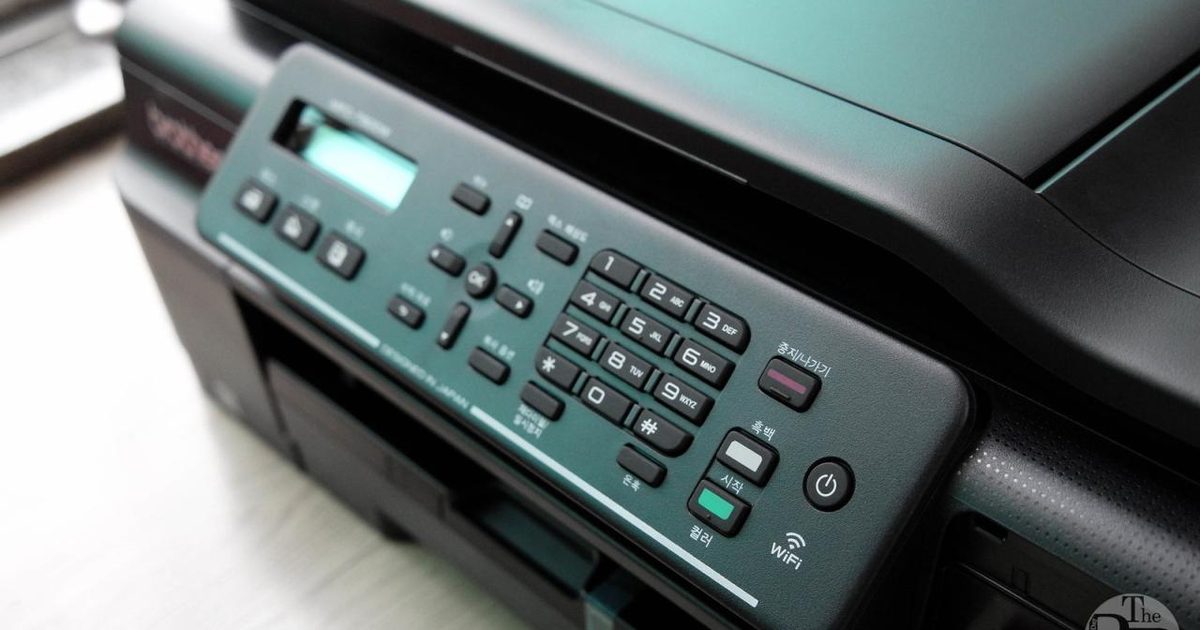
Printing is one of the most overlooked line items in a company's budget. Studies routinely put uncontrolled printing at 1 to 3 percent of annual revenue once you add up devices, toner, paper, energy, IT time and waste. Most finance teams have no idea what they actually spend, because the cost is spread across dozens of invoices and departments. Managed Print Services, or MPS, exists to fix exactly that.
What Managed Print Services actually means
MPS is a service model where a single partner takes responsibility for your entire print environment. Instead of buying printers and supplies reactively, you get a managed fleet, predictable monthly costs, and a team that keeps everything running. It began as a way to control toner spend and has grown into a full discipline covering security, sustainability and workflow.
How it works in practice
A good MPS engagement follows four stages:
- Assess. The partner audits every device, its usage, and the true cost per page. Almost every audit finds idle devices, oversized machines and colour printing that should be mono.
- Optimise. The fleet is right-sized. Underused printers are removed, devices are placed where people actually work, and rules such as duplex-by-default and secure release are switched on.
- Manage. Toner ships automatically before it runs out, meters are read remotely, and faults are resolved under a single agreement rather than a scramble of service calls.
- Improve. Quarterly reviews track spend, uptime and sustainability so the environment keeps getting leaner.
The benefits that matter to a CFO
Organisations that move to MPS typically see printing costs fall by 20 to 30 percent, mostly from right-sizing and reduced waste. Just as important, the savings are predictable. A single cost per page replaces a tangle of capital purchases and emergency orders.
Security is the second big win. Unsecured printers are a genuine risk: documents left in trays, hard drives full of cached jobs, and devices sitting unpatched on the network. MPS brings secure print release, user authentication and managed firmware updates.
Sustainability follows naturally. Fewer devices, default duplex and responsible cartridge recycling cut both paper and carbon.
Is MPS right for your business?
If you run more than a handful of printers across one or more sites, the answer is almost always yes. The more distributed your offices, the bigger the saving, because managing supplies and service across locations is where in-house teams lose the most time.
VRMA Corporation has delivered Managed Print Services across stores, warehouses and offices nationwide for nearly two decades, and is an HP "Power Services" and Contractual Managed Print Services partner. If you want to know what your print environment really costs, an audit is the place to start.
Frequently asked questions
How much can Managed Print Services save?
Most organisations cut printing costs by 20 to 30 percent, mainly from right-sizing the fleet, reducing waste, and replacing scattered purchases with a single predictable cost per page.
Is MPS worth it for a small office?
If you run more than a handful of printers, or any printing across multiple sites, yes. The more distributed your offices, the more an in-house team loses to managing supplies and service, and the bigger the saving.
Does Managed Print Services improve security?
Yes. MPS adds secure print release, user authentication and managed firmware updates, closing the common gap of unsecured printers sitting unpatched on the network.
Talk to VRMA about managed print services
Two decades of pan-India experience, trusted by 100+ enterprises since 2006.
Get in touch →More from VRMA Corp Editorial
IT Infrastructure as a Service (ITaaS): A Buyer's Guide
What ITaaS means, how it differs from buying hardware outright, and why subscription-based IT infrastructure helps Indian businesses scale without heavy capital.

A Practical Digital Transformation Roadmap for Indian Enterprises
Digitization versus digitalization versus digital transformation, a step-by-step roadmap, common pitfalls, and how to start without disrupting operations.

How to Choose the Right IT Hardware Partner in India
Seven things to look for in an IT hardware supplier, from brand partnerships and pan-India service to flexible procurement and after-sales support.